

How Therabody’s JetBoots Speed Up Marathon Recovery, According to Science
Published:
Last updated:
Written by: Susie Reiner, PhD, CSCS, ACSM-EP; TheoryEx
Expert Contributor: Dr. Dan Giordano, DPT, Scientific Advisory Board Member
Whether you’re running your first marathon or chasing a PR, running places significant stress on your body. The repetitive impact of running 26.2 miles challenges your muscles, joints, cardiovascular system, and nervous system all at once.
Recovery starts the moment you finish each run. Supporting that process can influence how sore, fatigued, and ready to train you feel over the next several days.
Research suggests that pneumatic compression helps runners recover faster after hard efforts by improving circulation, reducing soreness, and decreasing fatigue. [1]
“Pneumatic compression helps improve circulation and move fluid through the legs after hard training,” says Dr. Dan Giordano, DPT, Scientific Advisory Board Member. “Better circulation helps deliver more oxygen and nutrients to the muscles, which supports the body’s natural recovery process and tissue repair.”
Pneumatic compression therapy delivered through devices like Therabody’s JetBoots® has been shown to support recovery and help athletes feel more prepared for their next training session. [2]
In this article, we’ll break down how JetBoots pneumatic compression can help support you after long runs and during marathon training.

Why is recovery so important for marathon runners?
Running 26.2 miles places stress on nearly every physiological system in the body. Your muscles absorb and generate forces several times your body weight with every step, and the average runner takes between 40,000–60,000 steps during a marathon. The result is a tremendous amount of repetitive loading on the muscles and joints. [3]
“A marathon takes a significant mental and physical toll,” says Giordano. “Your muscles are repairing tissue damage, restoring energy stores, and managing inflammation all at once. Supporting recovery early can make a meaningful difference in how you feel over the next several days.”
This repeated loading creates small amounts of muscle damage and inflammation for your body to repair. At the same time, energy stores become depleted, neuromuscular coordination declines, and plasma volume decreases due to sweat loss and fluid redistribution. [3, 4, 5, 6, 7]
A marathon can also create substantial cognitive fatigue. Spending several hours physically exerting yourself while maintaining pacing, focus, and mental resilience can leave runners feeling mentally drained during high-volume weeks and after the race. [5, 8] Your nervous system and mental energy need time to rebound to stay on track towards your goals.
Researchers now understand much more about how the body recovers after hard endurance efforts. The traditional recovery staples of light movement (e.g., walking or cycling), nutrition (e.g., protein and carbs), and quality sleep remain the gold standard, but there is also growing evidence supporting recovery tools that complement those habits.

How does JetBoots pneumatic compression support marathon recovery?
How do JetBoots work?
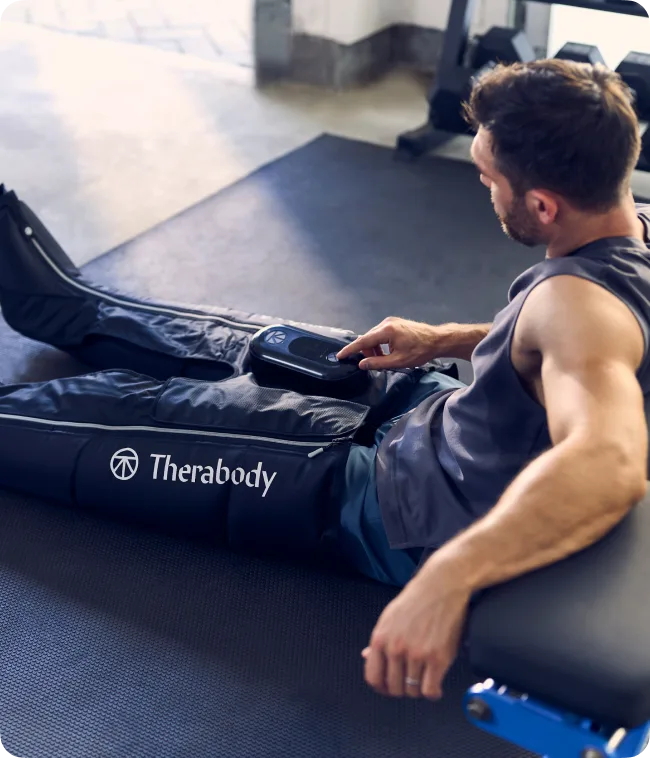
Therabody's JetBoots work by applying targeted compression across several zones of the legs. Using Intermittent Sequential Pneumatic Compression, the treatment starts at the feet and gradually moves upward toward the hips, creating a wave-like pressure pattern that encourages fluid to move through the veins and lymphatic vessels.
During intense training, muscles accumulate metabolic byproducts and excess fluid. This buildup can overwhelm the body’s ability to clear fluid efficiently from the lower extremities. Compression helps support this process by encouraging fluid movement out of the legs and back into circulation.
Research on pneumatic compression in endurance and recovery settings suggests it helps reduce muscle soreness, lessen fatigue, decrease swelling and stiffness, improve mobility, and reduce pain. [1, 9, 10, 11, 12]
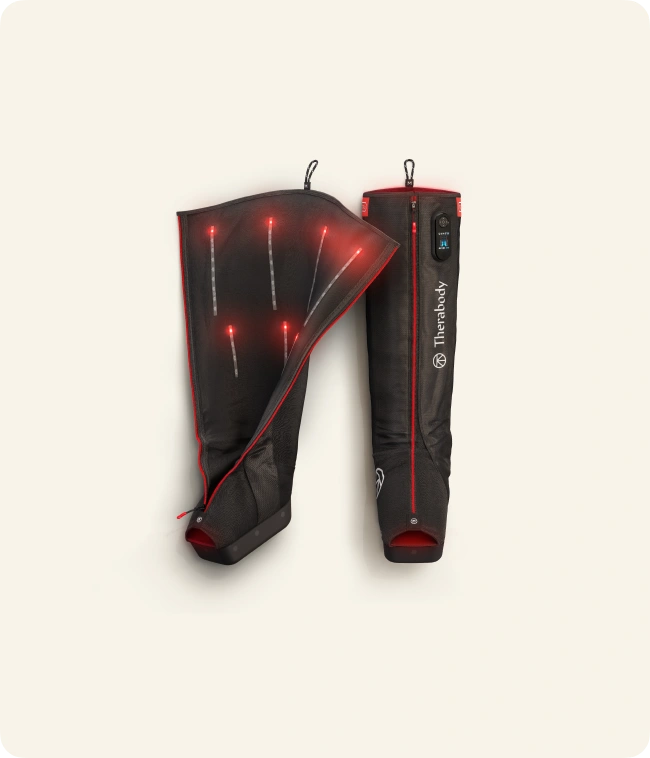
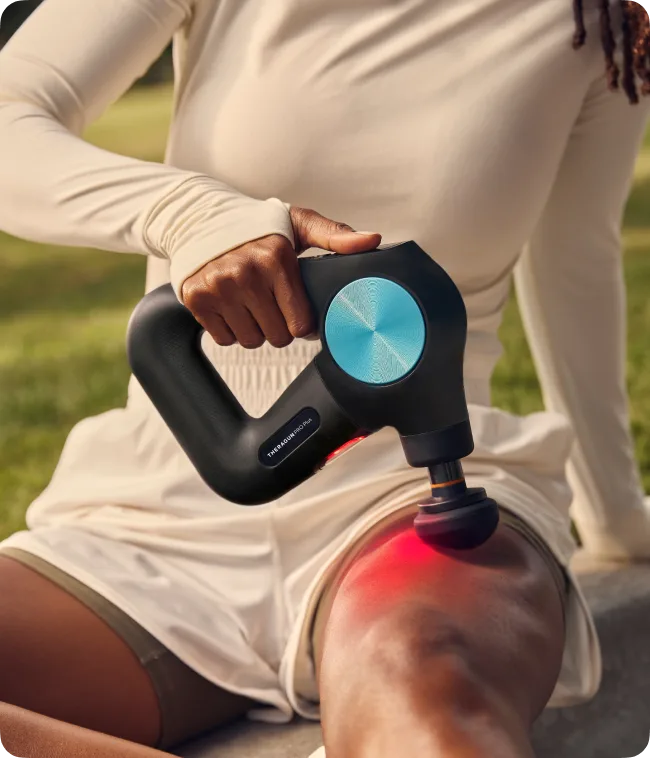
JetBoots PRO Plus offers additional recovery modalities beyond pneumatic compression alone. It combines compression with vibration and infrared LED light therapy to provide a more comprehensive recovery experience that may help address soreness, pain perception, and fatigue after hard training sessions. [13, 14, 15]
“The JetBoots help move metabolic waste and excess fluid out of the legs, which can reduce soreness, stiffness, and that ‘heavy leg’ feeling runners often experience after their tougher efforts,” says Giordano. “Think of it like gently squeezing toothpaste from a tube. Compression boots like JetBoots work similarly, gradually moving fluid up and out of the legs.”

What makes JetBoots different from static compression?
The intermittent sequential pneumatic compression technology in JetBoots is fundamentally different from wearing static compression socks or tights. Static compression garments apply passive, constant pressure. Pneumatic compression creates an active, wave-like compression pattern. [2]
Both approaches work through similar mechanisms by increasing pressure within the tissues to support circulation. However, pneumatic compression typically applies greater pressure and actively cycles through the legs in a directional pattern. Studies have shown that progressive pneumatic compression may improve peripheral circulation and support recovery compared to standard compression garments. [2]
The science-backed benefits of JetBoots for recovery
A randomized controlled trial (RCT) investigated the effects of JetBoots on fatigue and exercise recovery in 120 healthy adults compared with passive recovery. Using JetBoots for just one session significantly improved jumping performance, perceived fatigue, pain, and subjective feelings of recovery.
Another study published in 2025 found that 30 minutes per day of JetBoots use in elite athletes over five weeks reduced the influence of fatigue on performance compared to the control group. Similar to previous studies, athletes reported feeling significantly more recovered after using JetBoots than after passive recovery. [10]
Studies investigating pneumatic compression in runners have shown that it may reduce muscular fatigue and improve blood flow during the hours and days following a race. [16, 17]
Research on pneumatic compression continues to grow, with ongoing studies exploring its longer-term benefits for endurance athletes. To read more about the science-backed benefits of JetBoots, check out these articles:
- Study on RecoveryAir Finds That Pneumatic Compression Improves Cardiovascular Recovery, Not Just Muscle Recovery
- JetBoots PRO Plus Is Scientifically Proven to Enhance Performance & Recovery
- Daily Pneumatic Compression Therapy Mitigates Fatigue and Improves Recovery in Athletes

When and how runners should use JetBoots for recovery
Timing matters when it comes to recovery. JetBoots can be useful after hard efforts, between training sessions, or during higher-volume weeks when your legs feel particularly fatigued or sluggish.
“JetBoots are great after long runs, speed workouts, races, or higher-volume training weeks,” says Giordano. “I recommend using them for at least 15–30 minutes post-run, ideally 30–60 minutes if you have time, or later in the day to help improve circulation, reduce soreness, and decrease that heavy leg feeling that can build up with training volume.”
Knowing when and how to use your JetBoots is critical for maximizing the potential benefits. Here’s how to build them into your recovery routine:
After your long run or race: The first few hours after strenuous exercise are when fluid accumulation and muscle soreness are often at their highest. This makes the immediate post-race or post-workout window a practical time to use compression therapy to support circulation and recovery. [16]
Next-day recovery: Delayed onset muscle soreness (DOMS) typically peaks between 24–72 hours post-exercise, and research supports the use of compression boots for reducing exercise-related soreness and stiffness during this period. [10] A compression session the next morning may help reduce discomfort while continuing to support your recovery and help you get back to training faster.
Race week: JetBoots may also be useful in the days leading up to a race. “Many runners report that their legs feel lighter, looser, and more prepared to move after a short session, think 10-15 minutes,” says Giordano.
Before sleep: Pneumatic compression is also commonly associated with relaxation. Using JetBoots in the evening may help you wind down after a demanding training day and create a more intentional recovery routine before bed. Important note: It is not recommended to wear JetBoots overnight, as prolonged use may interfere with natural movement during sleep and normal fluid regulation in the lower body.

Recommended JetBoots use:
Regular training weeks: 20–40 minute sessions, 2–4 times per week
Post-race or long run: Up to 60 minutes per session for 1–3 days following an intense session
Pressure settings: Start with lower pressure settings during your first few sessions. Increase gradually as you become more comfortable using JetBoots regularly.
For a more complete recovery routine, JetBoots can also pair well with other recovery tools. Giordano says, “Using multiple therapy types at once makes your time more efficient, so you're getting more done in a short period of time.”
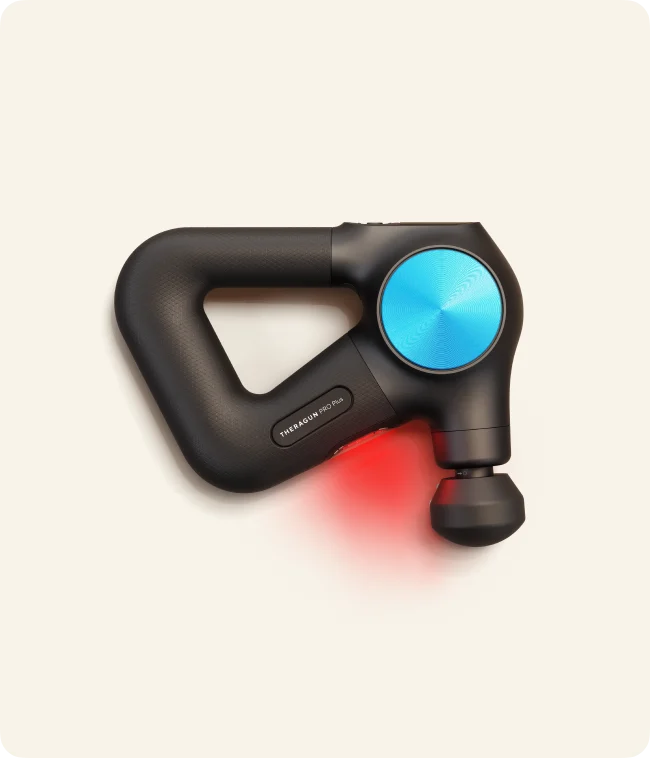
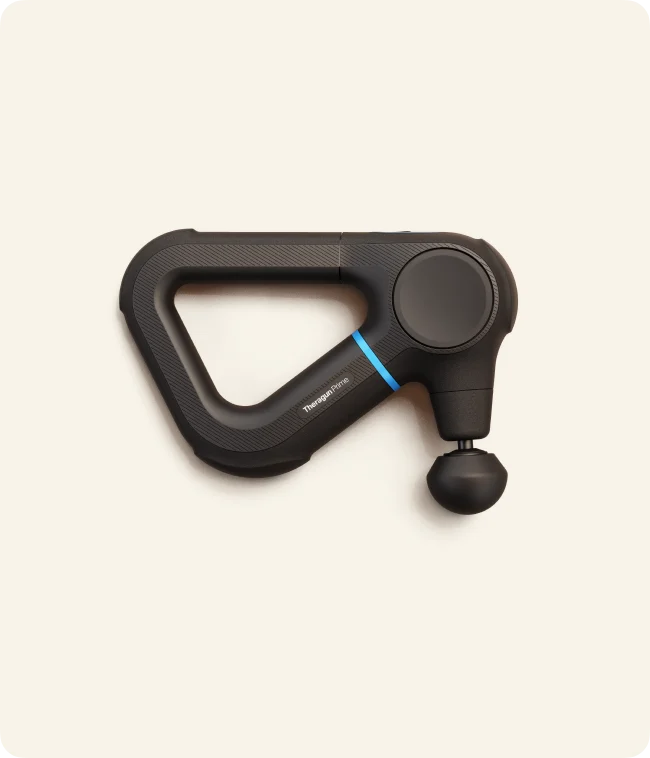
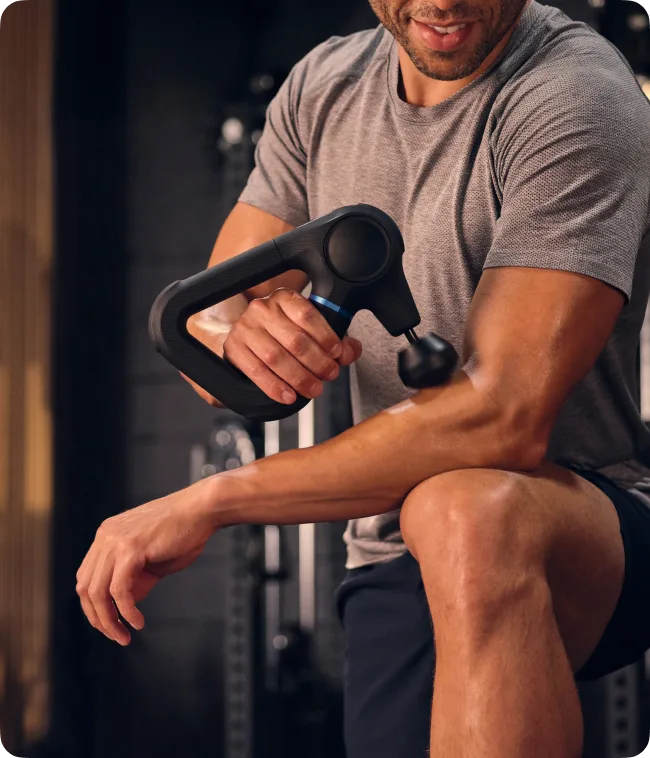
A 20–60 minute recovery session may also be a good opportunity to use a Theragun® or RecoveryPulse® Arm on the upper body. SmartGoggles® or TheraFace® Mask can also complement a relaxing recovery routine after demanding training sessions.
Key takeaways
- A marathon creates substantial physical and mental fatigue that can take days or even weeks to fully resolve.
- JetBoots use intermittent sequential pneumatic compression to help move fluid through the legs and support circulation after a challenging run.
- Research suggests pneumatic compression may help reduce soreness, fatigue, stiffness, and feelings of heavy legs following intense training or racing.
- JetBoots can be used after long runs, between training sessions, or before races to support recovery and readiness.
- Pneumatic compression sessions lasting 20–60 minutes support a well-rounded recovery routine that also includes sleep, nutrition, and movement.
References:
- Intermittent Pneumatic Compression Technology for Sports Recovery
- Effects of an external pneumatic compression device vs static compression garment on peripheral circulation and markers of sports performance and recovery
- Corticomotor excitability contributes to neuromuscular fatigue following marathon running in man
- Muscle Glycogen Metabolism and High-Intensity Exercise Performance: A Narrative Review
- Endurance exercise-induced and mental fatigue and the brain
- Estimation of plasma volume changes during marathon running
- Recovery of Inflammation, Cardiac, and Muscle Damage Biomarkers after Running a Marathon
- The Effects of Mental Fatigue on Physical Performance: A Systematic Review
- Intermittent pneumatic compression for prolonged standing workers with leg edema and pain
- Effects of daily use of intermittent pneumatic compression in competitive handball players: A randomized controlled trial.
- Understanding symptom experiences of muscle tightness from patients’ and clinicians’ perspectives
- Effects of different intermittent pneumatic compression stimuli on ankle dorsiflexion range of motion
- Effectiveness of using wearable vibration therapy to alleviate muscle soreness
- Local high-frequency vibration therapy following eccentric exercises reduces muscle soreness perception and posture alterations in elite athletes
- Photobiomodulation therapy for the improvement of muscular performance and reduction of muscular fatigue associated with exercise in healthy people: a systematic review and meta-analysis
- A randomized controlled trial of manual therapy and pneumatic compression for recovery from prolonged running – an extended study
- Hemodynamic Effects of Intermittent Pneumatic Compression on Athletes: A Double-Blinded Randomized Crossover Study


Related products
-
 Sold out Sale
 -
 Sold out Sale
 -
 Sold out Sale
 -
 Sold out Sale