

Prepare For and Recover From Strength Training Like Josh Allen
Published:
Expert contributor: Josh Adams, MS, CSCS
It's Wednesday, the heaviest training day of Josh Allen's week. On the agenda: squat variations, deadlifts, posterior chain work, then a full practice in pads. Allen is less than 36 hours removed from a Monday night game, and by Sunday, he needs to be ready to do it all again.
The pressure Allen faces to be game-ready may be NFL Quarterback-specific. But the preparation, activation, and recovery required to keep you consistently showing up to your strength training sessions look a lot like Allen’s.
Delayed-onset muscle soreness (DOMS), shoulder and elbow joint strain, leg day fatigue, a packed schedule, and travel likely challenge how you show up to your strength training sessions.
To prepare for and recover from strength training, use a massage gun before you lift, compression boots after, and shorter maintenance sessions in between.
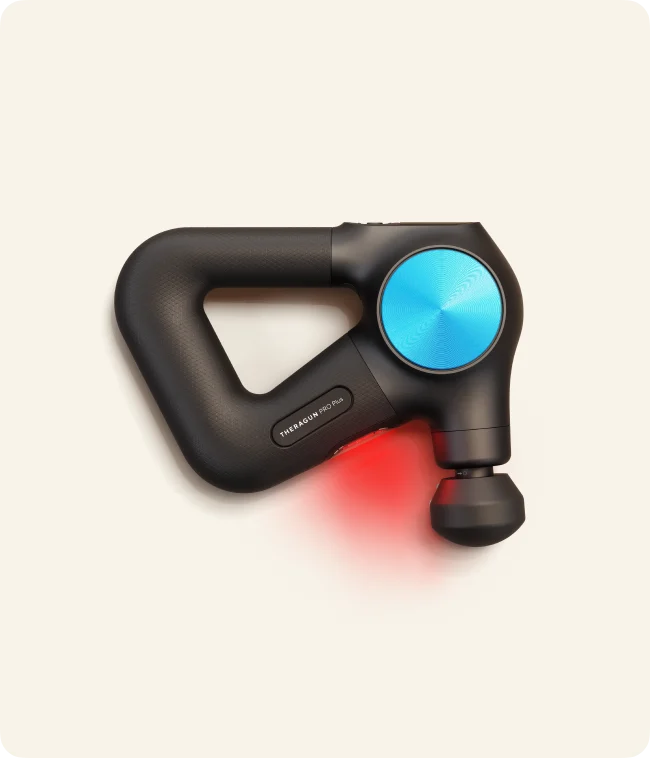
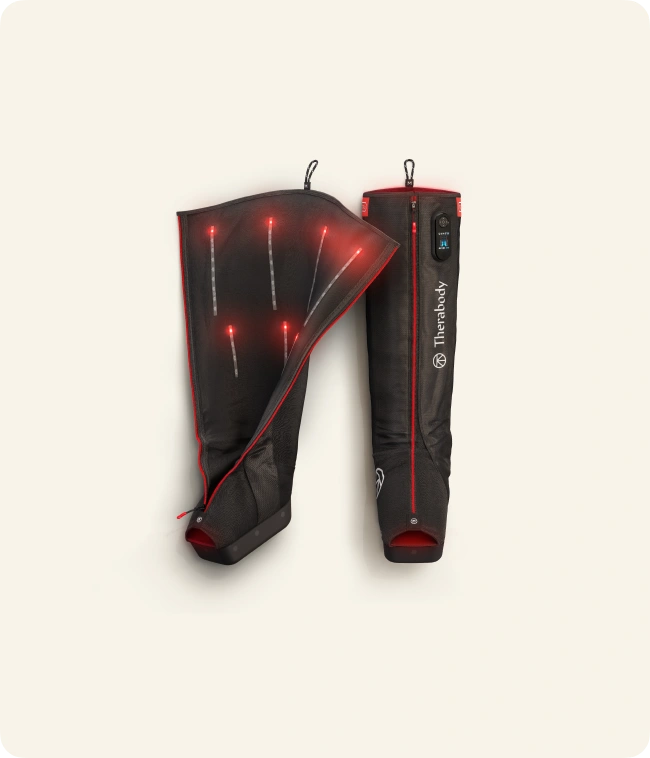
Josh Allen activates with a Theragun® PRO Plus massage gun for 30–60 seconds per muscle group before training, recovers with JetBoots® PRO Plus compression boots for 40–60 minutes after leg-heavy sessions, and uses a Theragun Mini Plus for two-minute resets between sets and on travel days. The same three-part structure — activate, recover, maintain — also applies to your training.

The activation, recovery, and maintenance that’ll keep you consistently strength training
Josh Allen's training (and recovery) week runs on the same logic as any serious lifter’s, just at NFL load. With NFL travel and new-dad hours, his routine has constraints that will sound familiar to anyone training while balancing a full-time job, family, and all of life’s demands.
Proper activation (preparing your body for the work ahead), recovery (bringing your metrics back to baseline), and maintenance (keeping circulation up and fighting stiffness and soreness) keep you showing up to each workout feeling your best. [1]
The hardest part can be fitting this work into your already tight training schedule. That’s where Therabody’s® tools make things simple: Theragun PRO Plus, Theragun Mini Plus, and JetBoots PRO Plus are designed to fit seamlessly into your active day.
Here are five challenges you and Josh Allen both face when trying to stay consistent with strength training, and the tools you can use to tackle them head-on.
Related read: Josh Allen’s Recovery That Meets Every Demand
1. Squat-day DOMS keeps you from lifting the next day
What you’re noticing: Soreness that ruins the next session. Hip mobility issues that kill squat depth. Glute and hamstring tightness that throws off deadlift form. Compound lifts typically deliver the biggest bang for your training buck, but they're also the most demanding. A lack of activation and recovery can cost you your next day’s training (or longer). DOMS and physical fatigue are common barriers to consistent training. [2]
Allen’s focus: Wednesday's squats, deadlifts, and posterior chain work are followed immediately by a full-pads practice. Allen's hips, glutes, and hamstrings take a beating similar to a serious lifter's but at NFL volume.
Your protocol:
- Activation: Use Theragun PRO Plus’s heated percussive plus LED light therapy before your lift. Spend 30–60 seconds on each of the following muscles: glutes, hamstrings, quads, and calves.
- Recovery: Use JetBoots PRO Plus, which pairs pneumatic compression with heat, vibration, and LED light therapy, for 40–60 minutes following your workout for full-leg recovery.
Why it works: Therabody Labs research shows that heated percussive therapy increases tissue temperature and other recovery metrics up to three times faster than percussion alone, with measurable benefits in as little as 30 seconds. For a lifter, that's the difference between hitting squat depth with good form and cutting a squat short.
"Soreness can be a sign that you trained hard, but it’s not the goal. Soreness doesn’t equal gains — it puts the quality of your next session at risk by decreasing your range of motion and strength potential. This is especially important when training or competing on back-to-back days. Some soreness is natural, but the goal is to minimize it, so you can maximize your next session,” explains Josh Adams, MS, CSCS.
Treating activation and recovery as part of the lift, not an afterthought, is what keeps squat depth and deadlift form strong week over week.
Related read: The Synergistic Effects of Percussive Therapy With Heat and Near-Infrared Light — a Therabody Labs Study

2. Shoulder and elbow strain limits press volume
What you’re noticing: Bench, overhead press, incline dumbbell press, and pull-up volume all stack joint stress on the shoulder and elbow. That cumulative load leads to soreness and discomfort and can eventually show up as impingement or tendinopathy — the "gym elbow" every lifter recognizes — often forcing a deload, missed weeks, or plateaus. The shoulder and elbow are commonly injured in weightlifters, and proper activation and recovery can help reduce risk. [3]
Allen’s focus: Throwing places repeated overhead loading through the same overworked joints and muscles — shoulder, elbow, biceps, triceps, and forearm. Thursday's upper-body lift stacks directly on top of Wednesday's highest throwing volume of the week, with little downtime in between.
Your protocol:
- Activation: Use Theragun PRO Plus before an upper-body lift to improve mobility. Spend 30 seconds on each of the following: rotator cuff, deltoids, lats, biceps, triceps, and forearm.
- Between sets: Use Theragun Mini Plus for a quick refresh between sets to perform more reps.
- Recovery: Use Theragun PRO Plus again immediately post-lift for a quick cooldown on the triceps and rear delts to decrease DOMS.
- Maintenance: Use Theragun Mini Plus for a 30-second reset on the delts and elbow joint between training sessions and throughout the day to increase circulation.
Why it works: Activation increases joint readiness and reduces injury risk. A study showed that using Theragun percussive therapy between sets helped participants perform more bench press reps to fatigue. [4] Using a massage gun post-session accelerates tissue recovery to keep you on schedule. Theragun Mini Plus's portability is what makes the maintenance dose actually happen — built to be used anywhere, so it doesn't get skipped.
Press volume doesn't have to come at the cost of your shoulders and elbows. Recovering with the same consistency you train with keeps you progressing in the gym.
“It’s no secret that it’s fun to press heavy weight, but pressing targets the most commonly injured joint in the gym: the shoulder. Maintaining shoulder and thoracic spine mobility is crucial to reducing injury risk — which is where proper activation comes in. Bring the same intensity to your activation and recovery that you bring to your training so you can show up the next day and keep progressing. That’s when you’ll see real results,” says Adams.
Related read: What You Should Know About Theragun PRO Plus

3. Hybrid training keeps your legs fatigued and sore
What you’re noticing: If you’re a hybrid athlete, you’re likely performing wall balls, sled pushes, and running stacked on top of lifting, creating compound leg fatigue. This can keep you feeling sore in the calves, adductors, and hip flexors that need more targeted relief than a foam roller can reach.
Allen’s focus: Game day is multi-modal stress on its own — sprinting, throwing, absorbing contact — and Allen's back to training shortly, within 1–2 days. His legs absorb stress week after week, in the same compounding pattern hybrid athletes experience during a high training load season.
Your protocol:
- Activation: Use Theragun PRO Plus before training. Spend 30 seconds on each of the following: glutes, hamstrings, quads, adductors, and calves.
- Recovery: Use JetBoots PRO Plus for 40-60 minutes with near-infrared LED light and low-frequency vibration for a full-leg recovery session after training.
Why it works: Pre-training activation increases circulation in the muscles about to take on double duty. This can help to improve mobility and range of motion during your training session. [5]
A study found that using JetBoots PRO Plus helped limit the effects of fatigue on performance, reduce post-exercise swelling and inflammation, and improve muscle activation of the quadriceps in the days following training. After using JetBoots, participants also reported feeling 32% more recovered, meaning they felt more ready to train again.
“Work capacity and competition prep are built on stacking high-quality training days. To do that, you need high-quality recovery. The most successful athletes — the ones who step into the gym or line up feeling prepared — are the ones who can recover quickly between training sessions or events,” says Adams.
Multi-modal training sessions require multi-modal recovery tools. If you’re stacking cardio and resistance training in the same week, using a tool that targets different recovery mechanisms in the body helps you feel prepared for your next workout.
Related read: Daily Pneumatic Compression Therapy Mitigates Fatigue and Improves Recovery in Athletes in This New 5-Week Study

4. Time is tight, so recovery often gets skipped
What you’re noticing: You know you should stretch, foam roll, and work on mobility and flexibility consistently. Most weeks, you don't. Recovery feels like one more task on your already full list, and it's usually the first thing cut when your schedule gets tight. Skipping recovery means you’re opting to deal with the cost in your next training session.
Allen's focus: Between practice, lifts, film, meetings, recovery, sleep, and a new baby, Allen knows the feeling of being tight on time. His recovery must be efficient to actually happen.
Your protocol:
- Maintenance: Pack Theragun Mini Plus in your backpack, purse, or gym bag to use throughout the day. Aim for 3–4 two-minute reset sessions between meetings, during your commute, before lunch, or wherever the day takes you.
Why it works: Two minutes of Theragun percussive therapy delivers a recovery benefit comparable to 15 minutes of manual massage and is much more manageable to squeeze into your day. [6]
Recovery that requires a dedicated block of time is recovery that gets skipped. The lifters who stay consistent aren't the ones with the most free time — they've built recovery into their day so that the job gets done.
Related read: Recover Anywhere: How to Use Theragun Mini Throughout Your Active Day

5. Travel throws off your training and recovery consistency
What you're noticing: Business trips, race travel, and family outings on the road all break a training and recovery routine that only works at home. You come back stiff, behind on your program, and more likely to tweak something you'd have otherwise managed.
Allen's focus: Saturday is a travel day for away games. Allen has to land, sleep, and be game-ready by Sunday — all from a hotel room. His recovery routine needs to fit in the same gear bag he carries everywhere else.
Your protocol:
- Maintenance: Use Theragun Mini Plus, built to fit in a gear bag and work in a gym, hotel room, and on the plane.
Why it works: Most travel-sized massage guns skip the heat. Most heat-enabled recovery devices skip portability. Theragun Mini Plus does both, which is important for anyone whose training doesn't stop when they leave home.
Travel breaks more training programs than any single workout. The routine that survives a flight and hotel stay is the one built to fit into your active lifestyle.
“Athletes at all levels who want to make progress in the gym and at the office feel the burden of adjusting for travel. It's the easiest time to toss your recovery plan out the window — but it's often the exact time you need it most. A lack of sleep, cramped airplane seats, and hotel mattresses all increase your need for recovery. Quick, portable solutions help you stick to your plan, no matter what life throws at you,” concludes Adams.
Related read: Combat Stress & Tension While Traveling with These Therabody Essentials
Key takeaways:
- Recovery is part of training, not a separate step. Josh Allen builds Theragun and JetBoots into his week to activate his muscles before lifts, after training, and in the downtime between, not just on the days he's sore.
- Knowing when to use each recovery tool, where, and for how long takes the guesswork out of your routine. Use Theragun PRO Plus for pre-workout activation and joint prep, JetBoots PRO Plus for full-leg recovery after intense training, and Theragun Mini Plus for recovery that has to fit into a packed day or trip.
- Short, consistent sessions beat long, occasional ones. The recovery you do consistently will always outperform the recovery you skip.
- Effective recovery doesn't require NFL time or an NFL budget. The same principles and tools — activate before training, recover after, maintain between — apply to your training schedule whether you’re an NFL quarterback or you strength train throughout the week.
References:
- An Evidence-Based Approach for Choosing Post-exercise Recovery Techniques to Reduce Markers of Muscle Damage, Soreness, Fatigue, and Inflammation: A Systematic Review With Meta-Analysis
- Delayed onset muscle soreness: treatment strategies and performance factors
- Upper extremity weightlifting injuries: Diagnosis and management
- Acute Effects of a Percussive Massage Treatment on Movement Velocity during Resistance Training
- The Biomechanical Effects of Percussive Therapy Treatment on Jump Performance
- Comparison of Interventional Strategies to Improve Recovery after Eccentric Exercise-Induced Muscle Fatigue