

What is Recovery? A Health Scientist Explains Why It’s Not Just for Athletes
Published:
Expert contributor: Brittany Leboeuf, PhD, MS, Science Contractor, Research Operations
Recovery is often associated with elite athletes, whether that’s a runner taking a rest day, or an Olympian in an ice bath.
“Recovery isn’t reserved for elite athletes or people who have a high fitness capacity,” says health scientist Brittany Leboeuf, PhD. “Whether you're exercising a few days a week, chasing your kids around the house, or spending long hours at a desk, your body experiences physical and mental stress that requires recovery.”
Proper recovery encompasses the biological processes that help the body restore balance, repair, and adapt after stress of all origins. Without proper recovery, those daily stressors can start to add up and make it harder for your body to adapt and bounce back.
Here’s what recovery means and how you can build a sustainable recovery routine into your daily life.

What is recovery?
Recovery is the body's active process of returning to a state of internal balance, or homeostasis, after any kind of physical or mental stress. [1] It’s not passive, and it’s not something that can be achieved with rest alone. Rather, it’s a coordinated effort by your nervous, muscular, and hormonal system to repair what your stress wore down.
Yes, that stress can come from a physical workout. It can also arise from a stressful meeting, a poor night of sleep, or a week of back-to-back deadlines. Each one taxes your systems in its own way, and each one requires a form of recovery to resolve.
This stress isn't inherently negative. In fact, it’s actually what drives adaptation (i.e., building stronger muscles, improving endurance, or becoming more efficient). “The adaptation that occurs following activity or exercise is critical for physiological change," assures Leboeuf
What happens during recovery?
What actually happens during recovery that leads to beneficial adaptations?
- Muscle tissue repair: Exertion creates microscopic tears in muscle fibers and leaves metabolic byproducts behind. During recovery, increased blood flow clears that waste and delivers the oxygen and nutrients needed to rebuild the fibers, often slightly stronger than before. [2]
- Energy replenishment: Physical and mental effort both draw down the body's fuel stores, including glycogen stored in muscles. Recovery is when those reserves get restocked, so you're not starting the next demand already running on empty. [3]
- Nervous system regulation: Stress activates the sympathetic "fight or flight" nervous system, raising heart rate and keeping the body on alert. Recovery reactivates the parasympathetic "rest and digest" nervous system, gradually lowering heart rate and stress hormones. [4]
Recovering from demands placed on the body makes you stronger and more resilient over time. When stress consistently outweighs recovery, the body starts running a deficit that tends to show up as: [5]
- Lingering fatigue
- Reduced energy
- Feeling physically tense
- Difficulty bouncing back
“A consistent recovery routine helps your body adapt to the daily demands of life, supports long-term health, and improves energy, mobility, and overall well-being. In turn, it also helps reduce injury risk and improve performance over time,” says Leboeuf.

The 4 best ways to support recovery
Recovery isn’t the result of one single habit. The body relies on a combination of daily habits and supportive practices to complete the recovery process.
Get more quality sleep
Sleep is when your body shifts into a state that supports repair and restoration. During deeper stages of sleep, the body increases processes involved in tissue repair (including the release of growth hormone), which plays a role in muscle repair and rebuilding. Sleep also helps regulate hormones involved in stress, metabolism, and energy balance, while supporting immune function and cognitive processes like memory consolidation and emotional regulation. [6]
“Many people overlook the importance of sleep,” says Leboeuf. “Adults should be getting 7-9 hours of sleep on average each night.” Sleeping poorly (and not enough) interferes with these vital recovery processes.
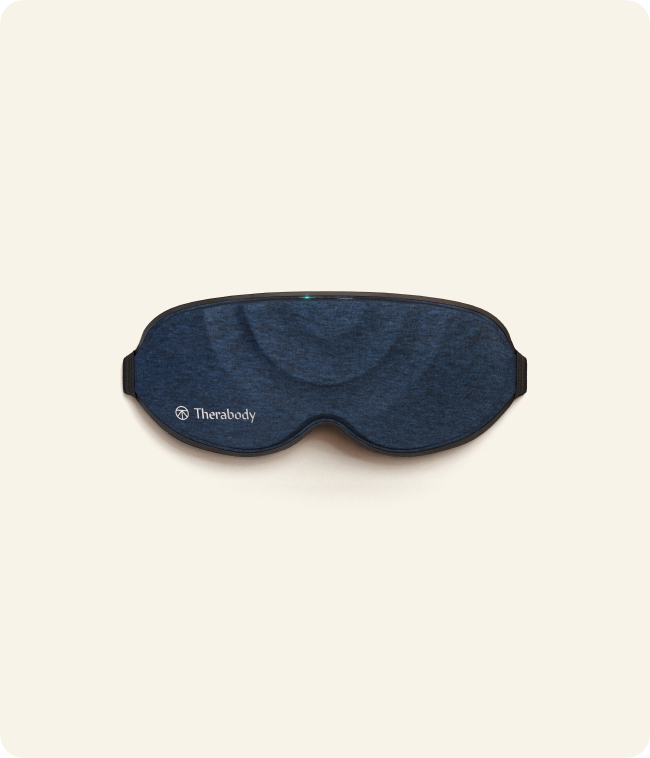
How to get good sleep quality: Improving sleep quality starts with consistent habits that reinforce the body’s natural sleep-wake rhythm. “Consider limiting screen usage in the hour or so before bed, sleep in a cool, dark environment, and practice a consistent ‘wind-down’ routine that signals to your body that it’s time to rest,” says Leboeuf. If you’re sensitive to light, an eye mask can help. Therabody’s® Sleep Mask is 100% light-blocking and has three soothing vibration patterns to help you fall asleep faster.
Implement stress management techniques
“Like sleep, many people underestimate the impact that stress (specifically chronic stress) can have on recovery,“ says Leboeuf.
Chronic stress can keep the sympathetic nervous system activated, increasing levels of stress hormones like cortisol and making it harder for the body to shift into the restorative state needed for recovery. [7]
“Sleep, stress, and exercise all impact each other, and can influence recovery,” explains Leboeuf. “When stress remains elevated, it can affect sleep quality, energy levels, mood, and the body’s ability to fully recover from physical demands.”
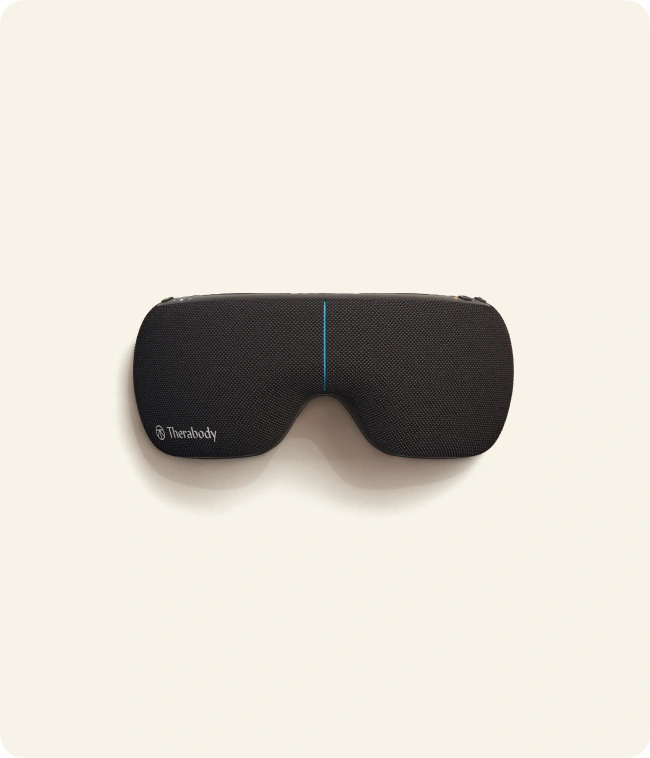
How to manage stress: While it’s always easier said than done, building consistent practices that help your body transition out of a stress response can support both physical and mental recovery. “Whether it's taking a walk, practicing deep breathing, journaling, or spending time outdoors, having a few reliable strategies to help manage stress can support both physical and mental recovery,” says Leboeuf. Tools that encourage relaxation can also become part of a recovery routine. Therabody’s SmartGoggles® combine massage, heat, and vibration to help create a calming moment of pause — whether that’s before bed, after a workout, or during a busy day.

Prioritize balanced nutrition
After physical activity, the body needs nutrients to help repair tissues, replenish energy stores, and support the physiological processes involved in adaptation. Protein provides amino acids needed for muscle repair and remodeling, while carbohydrates help replenish glycogen stores used during activity. [8, 9] Hydration also plays an important role in supporting circulation and helping the body maintain normal physiological function. [10]
How to support it: Prioritize balanced meals that include high-quality protein, fiber-rich carbohydrates, and fluids throughout the day. Aim for a balanced meal or snack within an hour or two of finishing a workout. [11]
Complement with recovery technology
There are now tools and technologies designed to enhance the body’s natural recovery processes. Many recovery technologies focus on circulation, which plays an important role in delivering oxygen and nutrients to tissues and supporting the body’s ability to recover after physical stress.
Here are three:
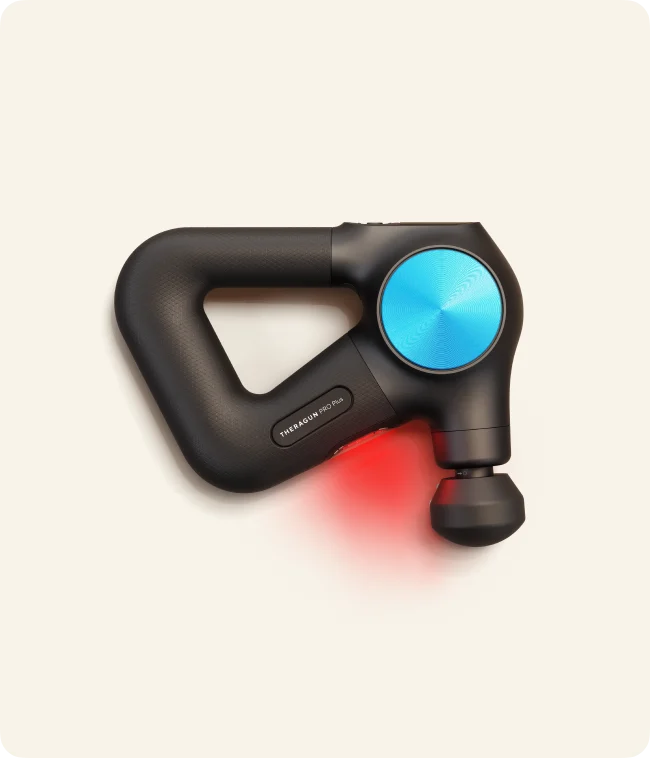
- Percussive therapy: Uses rapid, targeted pulses to apply pressure to specific areas of the body. This can help support circulation in the targeted area and temporarily relieve muscle tension. [12]
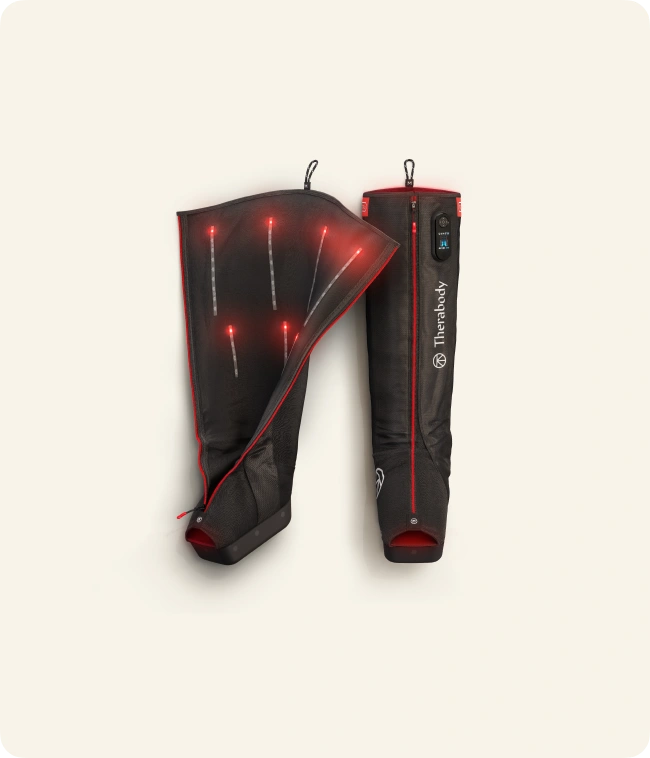
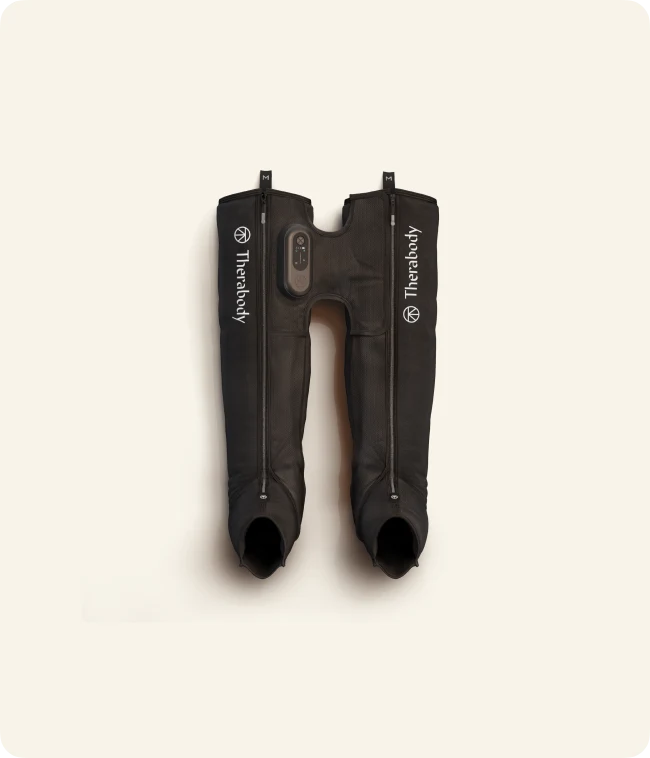
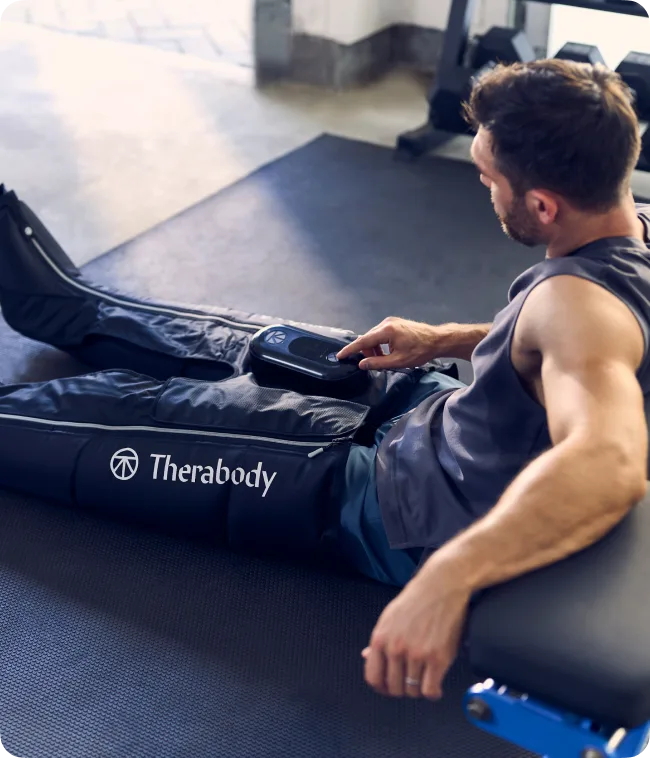
- Pneumatic compression: This controlled, sequential pressure provides intermittent compression to the legs to stimulate blood and lymph flow, filtering out metabolic waste. [13, 14]
- Heat therapy: Uses warmth to help relax muscles and support circulation, which can be especially beneficial for areas that feel tight or stiff. [15]
These tools are not meant to replace the fundamentals of recovery. They complement your habits by providing additional support as your body returns to a recovered state.
Integrating recovery tech into your routine: “The biggest advantage of recovery technology is convenience. When recovery becomes something that's easy to do at home and fits naturally into your routine, consistency becomes much more achievable, and that's when you'll see the greatest long-term benefits,” says Leboeuf.
The right modality depends on what your body needs and when you need it. For example, Theragun® uses percussive therapy and can be incorporated into a post-workout routine or used throughout the day when muscles feel tight. JetBoots®pneumatic compression can be a convenient option after training sessions or chasing around your kids. For moments when relaxation and comfort are the focus, ThermBack LED combines targeted heat therapy with vibration to help ease tension and support mobility.

What has the biggest impact on recovery?
“As with any health behavior, recovery is most effective when it's practiced consistently rather than occasionally; the benefits are cumulative,” says Leboeuf. “Small, regular recovery habits often have a greater impact than doing a lot only when you're feeling sore or exhausted. At home technology can help build strong, consistent recovery habits. For example, if you keep your Theragun on your nightstand, or your JetBoots by your favorite reclining chair, you are more likely to reach for them.”
Key takeaways
- Recovery is the body’s active process of repairing, restoring balance, and adapting after physical or mental stress.
- Recovery is not just for athletes; everyday stressors like poor sleep, busy schedules, and daily movement also create a need for recovery.
- The most effective recovery routine combines consistent habits like quality sleep, stress management, proper nutrition, and movement.
- Recovery technology, including percussive therapy, pneumatic compression, and heat therapy, can complement healthy habits by supporting the body’s natural recovery processes.
References:
- An Evidence-Based Approach for Choosing Post-exercise Recovery Techniques to Reduce Markers of Muscle Damage, Soreness, Fatigue, and Inflammation: A Systematic Review With Meta-Analysis
- Recycle, repair, recover: the role of autophagy in modulating skeletal muscle repair and post-exercise recovery
- Regulation of Muscle Glycogen Repletion, Muscle Protein Synthesis and Repair Following Exercise
- Influence of physical post-exercise recovery techniques on vagally-mediated heart rate variability: A systematic review and meta-analysis
- Overtraining Syndrome
- The Sleep and Recovery Practices of Athletes
- Chronic psychological stress impairs recovery of muscular function and somatic sensations over a 96-hour period
- The impact of dietary protein supplementation on recovery from resistance exercise-induced muscle damage: A systematic review with meta-analysis
- Carb-conscious: the role of carbohydrate intake in recovery from exercise
- Hydration to Maximize Performance and Recovery: Knowledge, Attitudes, and Behaviors Among Collegiate Track and Field Throwers
- Nutrient timing revisited: is there a post-exercise anabolic window?
- The Effects of Massage Guns on Performance and Recovery: A Systematic Review
- Intermittent pneumatic compression on the calf improves peripheral circulation of the leg
- Effect of pneumatic compression therapy on lymph movement in lymphedema-affected extremities, as assessed by near-infrared fluorescence lymphatic imaging
- Local Heat Therapy to Accelerate Recovery After Exercise-Induced Muscle Damage


Related products
-
 Sold out Sale
 -
 Sold out Sale