

Tension Headaches: What's Really Causing Them (and How to Find Relief)
Published:
Reviewed by Therabody scientists: Tim Roberts, MSc; Rachelle Reed, PhD, MS, ACSM-EP
Expert contributors: Dan Giordano, DPT; Pamela Peeke, MD, MPH, FACP, FACSM, Scientific Advisory Board Members
It starts as a dull ache at your temples sometime after lunch. By the end of the workday, it feels like a band tightening around your head, and your shoulders are up near your ears.
With today’s constant screen time, desk work, jaw clenching, and stress levels, tension headaches have become increasingly common. Poor posture from looking down at devices, unconscious teeth grinding, and disrupted sleep all feed into the same cycle of muscle tightness and heightened pain sensitivity. [1]
Here, we’ll cover the causes of tension headaches, how to distinguish them from migraines, practical at-home relief strategies, and simple prevention habits that can reduce how often they show up.

What are tension headaches?
Tension headaches cause a dull, aching pain, pressure, or tightness around the forehead, temples, or back of the head. They may feel like a “band” around your head, with tightness in the neck and shoulders. Tension headaches are mild-to-moderate in intensity and have a gradual onset. [1]
Tension headaches differ from migraines, which feel more like throbbing or pulsating pain accompanied by nausea and sensitivity to light and sound. [1]
What causes tension headaches?
Tension headaches are often caused by stress accumulation. Stress affects both the nervous system and muscle tension, creating the perfect environment for tension headaches to develop and persist. [2]
“A common cycle develops in which stress increases muscle tension, muscle tension causes pain, and pain itself becomes another source of stress,” explains Scientific Advisory Board Member Dr. Pamela Peeke.
Additional causes of tension headaches include forward-head posture from prolonged screen time (which overloads the suboccipital muscles at the base of the skull), poor sleep, dehydration, and irregular meals. [3]
Studies also show that untreated jaw pain can turn into a tension headache. [3]
How jaw pain turns into tension headaches
Jaw muscles are connected to muscles in the face, neck, shoulders, and upper back. Repeatedly clenching or grinding your teeth creates tension that can spread to surrounding muscle groups. Over time, this can lead to stiffness, soreness, reduced range of motion, and chronic discomfort throughout the upper body. [3]
Peeke explains, “Stress frequently manifests physically through muscle tightening, and the jaw is one of the most common places where this occurs. Many people clench their jaws during the day without realizing it, especially when concentrating, feeling anxious, frustrated, or under pressure. Others grind their teeth during sleep, a condition known as bruxism. Both habits place significant strain on the muscles that control chewing and jaw movement.”
Jaw clenching can also place additional stress on the temporomandibular joints, which connect the jaw to the skull. Excessive pressure on these joints may contribute to facial pain, headaches, ear discomfort, clicking sensations, and tension that radiates into the neck and shoulders. As muscles tighten, posture worsens and places more strain on the upper back and cervical spine. [3]

How to relieve tension headaches at home
Relieving tension headaches often requires addressing physical tension and the underlying stressors that contribute to it.
Here are eight ways to relieve tension headaches at home.
Bring awareness to your jaw’s resting position
Most people don’t realize their jaws are clenched and tightened until their pain becomes persistent. “One of the simplest things I teach people is to become aware of their jaw's resting position. Keep your lips together, teeth apart, tongue gently on the roof of your mouth, and jaw relaxed,” says Dan Giordano, DPT, Scientific Advisory Board Member.
Gently massage the face and neck
Giordano recommends a gentle facial massage to relieve jaw pain or tension. Gently massage the temples, jaw, and base of the skull with your fingertips or knuckles. Start with small circles or sustained pressure on tender spots for 30–60 seconds. Chin tucks and gentle neck stretches can also help decompress the upper cervical area. [4]
Use heat therapy on tense areas
Apply a warm compress, heating pad, or other heated device to the neck, shoulders, and jaw for 10–15 minutes. Heat therapy increases circulation, softens tight tissue, and helps relax tense muscles. [4]

Try a percussive massage device that targets the jaw
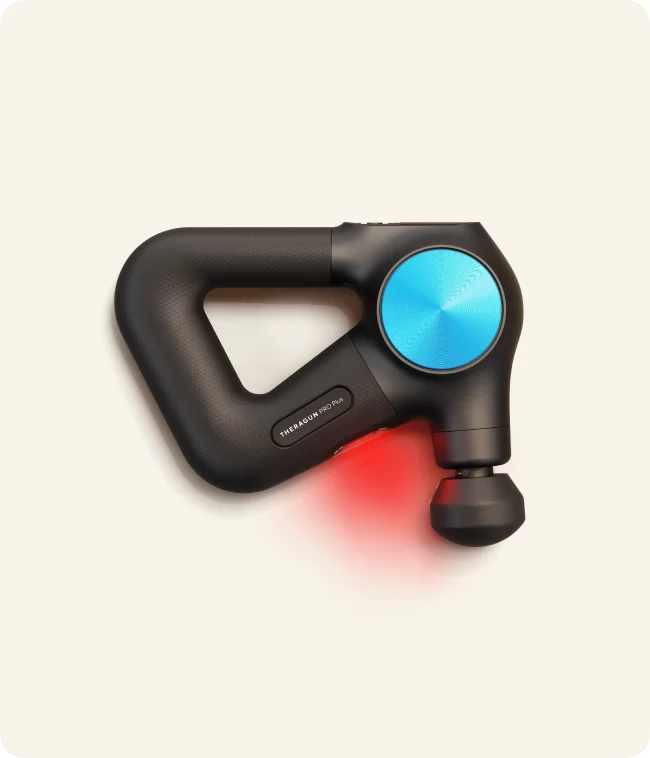
ThermFace Massage is designed for jaw and facial tension — a frequent upstream driver of tension headaches. The combination of heat and massage helps release the masseter, temporalis, and surrounding facial muscles that often stay contracted from clenching, stress, or screen time. Gently massaging the jaw and facial muscles can help relieve pain, tightness, and stiffness, in the face, jaw, and neck. [4, 5]
Practice stress management
Because tension headaches often result from physical and psychological stress, finding stress management techniques can help. Try slow diaphragmatic breathing, progressive muscle relaxation, or a short, guided meditation. Even 5–10 minutes can downshift the fight-or-flight response. [4]
Support your posture during the day and night
During the day, take breaks from looking down at your screen, spending a few minutes in a different position to reset your posture. At night, use a supportive pillow that keeps the neck neutral. [4]
Relieve neck and upper back tension
ThermNeck & Upper Back is a wearable device that combines percussive, kneading massage, heat, and infrared therapy to deliver targeted relief. The brain can interpret pain signals from the neck as coming from the head, so relieving neck pain can help ease tension headache symptoms. The device’s kneading nodes target the muscles that contribute to pain intensity. [1]
EXPLORE THERMNECK & UPPER BACK
Use vibration and heat on the temples and eye area
SmartGoggles® delivers compression massage, gentle heat, and vibration to the forehead, brows, and temples. The blackout design plus biometric heart-rate sensing supports relaxation and relief from headaches and eye strain. Participants reported reduced stress and easier transition into rest after short sessions. [6]
*Seek guidance from your healthcare professional if pain is persistent or worsening, symptoms start after trauma, or you experience unusual neurological or other symptoms.

How to prevent tension headaches
Daily habits can often make a difference in preventing tension headaches. According to Peeke, staying hydrated and eating well-balanced meals throughout the day can help reduce tension headache triggers. [7]
Giordano emphasizes consistent physical activity as one of the best defenses against tension headaches. Exercise boosts blood flow, lowers stress, improves sleep, and eases neck and shoulder tension. Aim for a mix of cardio, flexibility training, and strength work. [8]
Good posture also helps prevent tension headaches. Hours spent hunched over a screen can strain the muscles in your head, neck, and upper back. Take regular stretch breaks, set up an ergonomic workspace, and check your alignment throughout the day.
If you find that you clench your jaw, aim for a relaxed resting jaw position: lips closed, teeth slightly apart, tongue gently on the roof of your mouth.
A strong sleep routine supports recovery, and relaxation practices including deep breathing, meditation, yoga, gentle stretching, or a warm shower can help relieve stress and tension.
Track your habits in a headache diary to identify personal triggers and adjust accordingly.
Key takeaways:
- Tension headaches arise primarily from sustained muscle tension in the jaw, neck, scalp, and shoulders, often amplified by stress, clenching, screen posture, and poor sleep.
- The stress–tension–pain cycle can be interrupted by releasing key muscle groups and calming the nervous system.
- At-home strategies that offer tension headache relief include heat, targeted massage, breathing exercises, and posture resets.
- Tension headache prevention strategies include jaw awareness, good posture, regular movement, hydration, consistent sleep, and stress-management habits.
- Tracking triggers and incorporating expert-backed recovery tools can meaningfully reduce both frequency and intensity over time.
References:
- Tension-type Headache
- Physiology, Stress Reaction
- Management of chronic pain associated with temporomandibular disorders: a clinical practice guideline
- Physiotherapy Approaches for Temporomandibular Disorders: A Multimodal Conservative Management Strategy
- Consensus on the Use of Therapeutic Interventions in Pain Management, Recovery, and Athletic Performance: A Delphi Study
- Effects of Smart Goggles Used at Bedtime on Objectively Measured Sleep and Self-Reported Anxiety, Stress, and Relaxation: Pre-Post Pilot Study
- Management of pain in patients with temporomandibular disorder (TMD): challenges and solutions
- Physical Activity Guidelines for Americans